PROJECT OVERVIEW
Objective
Create a concise, emotionally engaging science-fiction short about how a formative childhood experience can shape a person’s future.
The story needed to communicate a clear emotional journey visually, while preserving a sense of mystery and discovery.
The Challenge
The goal was to create a complete narrative short film using a collection of emerging AI tools while maintaining:
Character continuity
Story clarity
Cinematic visual quality
Consistent world-building
Emotional connection
Unlike many AI-generated shorts, the objective was not simply to generate attractive images, but to build a film with recurring characters, production design, continuity, and a complete story arc.
STORY
Logline
A young girl experiences an extraordinary encounter that inspires a lifetime of curiosity, ultimately leading her to Mars where she reconnects with the visitor who changed her life forever.
Script & ShotList
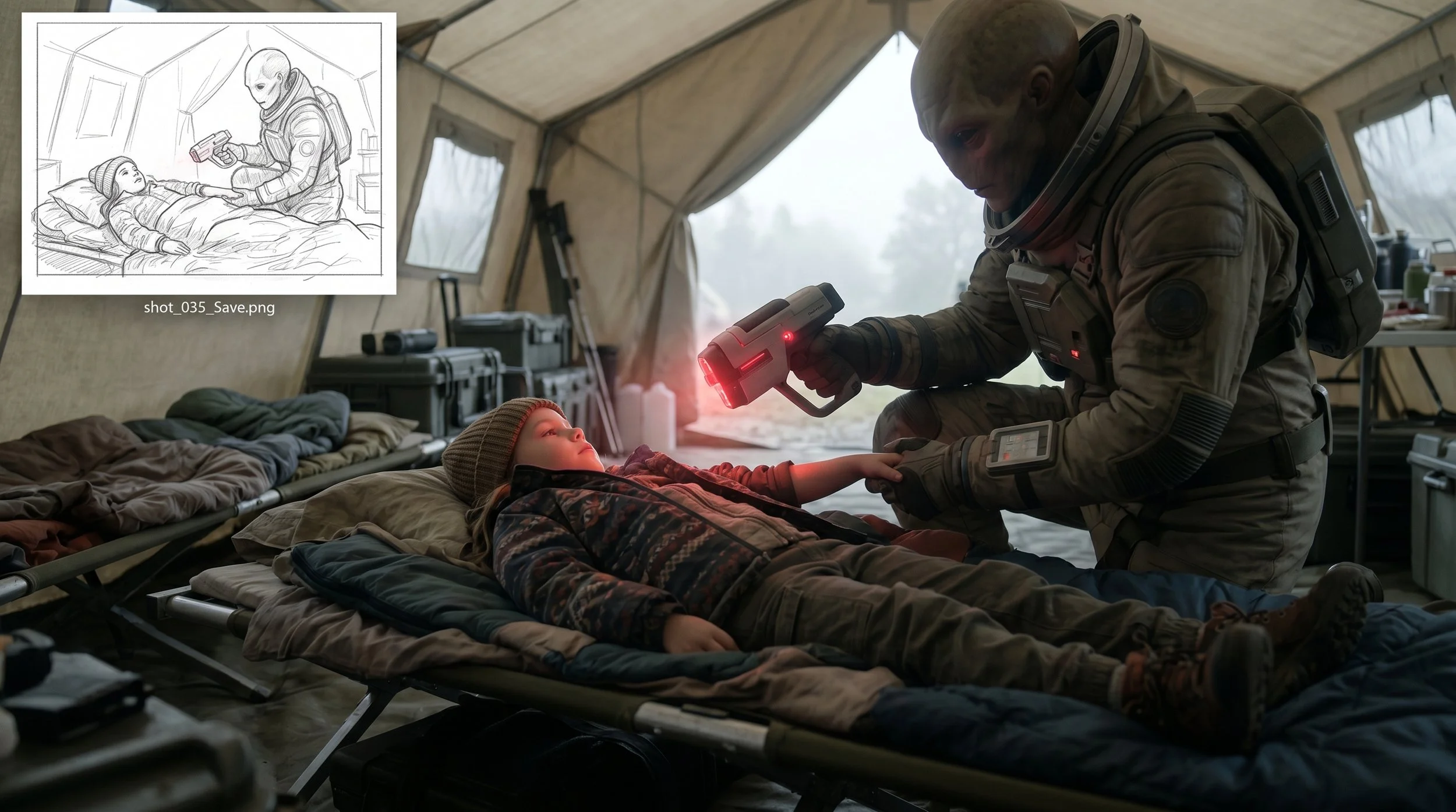
I used ChatGPT to translate my prompts and hand-drawn concepts into pencil-style storyboards. Working in black and white delayed color decisions and kept the focus on composition, staging, and story.
Shot Images & BeatMap
I asked ChatGPT to create “pencil” drawings from my prompts or my hand-drawn drawings. In VFX, this is how we’ve created boards and the “B&W” coloring postpones color decision for later in the process.
Dialogue & The Edit
I brought the storyboard images into DaVinci Resolve and used ElevenLabs to create temporary dialogue tracks. This allowed me to test the story, shot duration, and visual pacing before generating the final footage.
The edit became the production blueprint for each subsequent shot.
I then had ChatGPT generate a beat map that I would include in many of the up-coming image and video generations
CHARACTER DEVELOPMENT
Creating Ellie (Child / Teenager / Young Adult)
One of the project’s biggest challenges was maintaining Ellie’s identity across several decades of her life.
The film required recognizable versions of Ellie at ages 5, 12, 24, and 32.
Image and Video Generation
Image Generation
Most videos shot began with a carefully designed first-frame reference image. I used Nano Banana to establish composition, character continuity, lighting, and production design before animation, minimizing corrective passes that could degrade image quality.
Image-to-Video Generation
I used Weavy and Flashboard to organize the image-to-video workflow. I wrote the initial prompts, then used ChatGPT to refine them into production-ready prompts for Seedance 2.0 and Kling 3.0.
For dialogue shots, I used Flashboard and Seedance to lip-sync existing video to ElevenLabs-generated audio.
This is the most basic node workflow. More complex setups can combine multiple reference frames, compositing operations, prompt variations, and final upscaling.
Houston, We Have a Problem
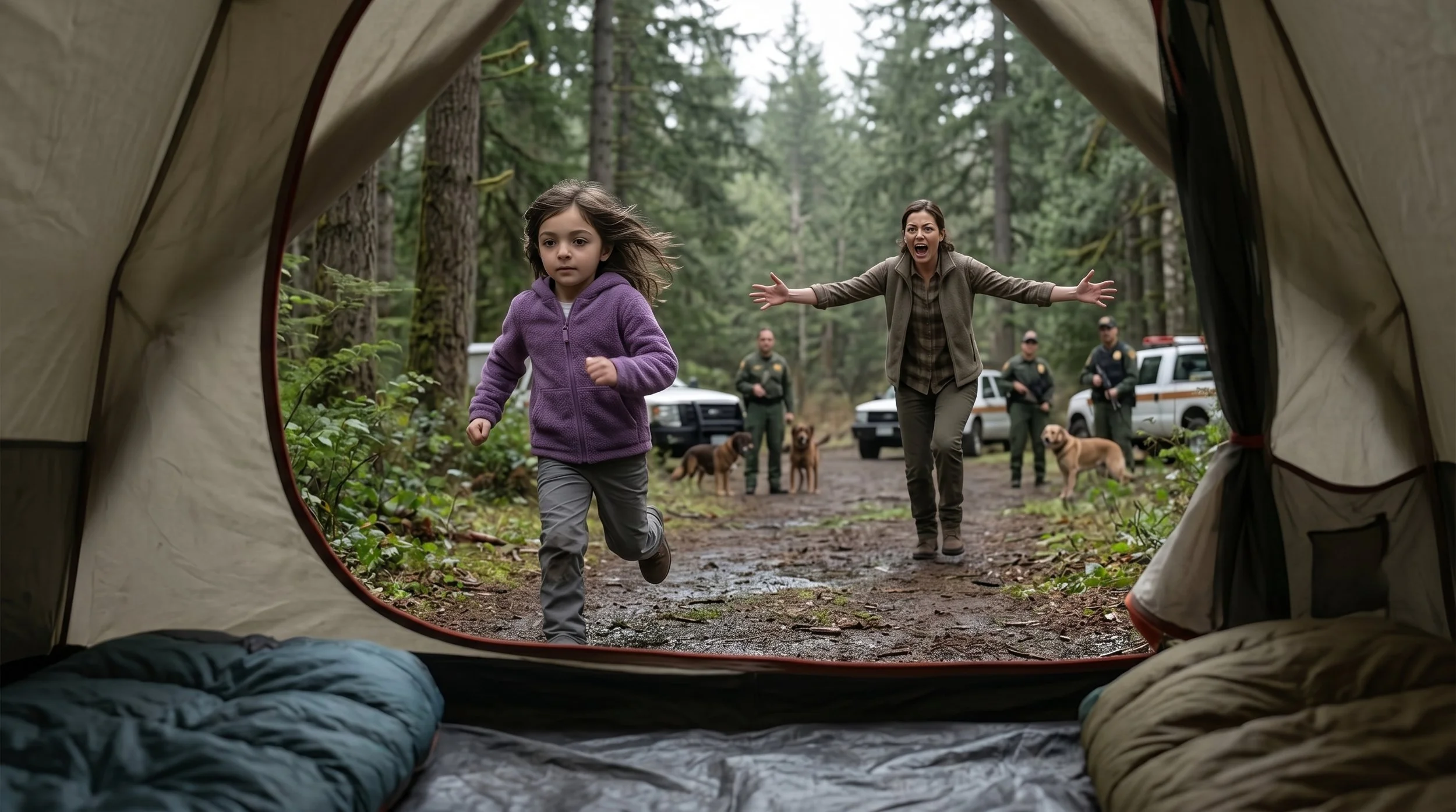
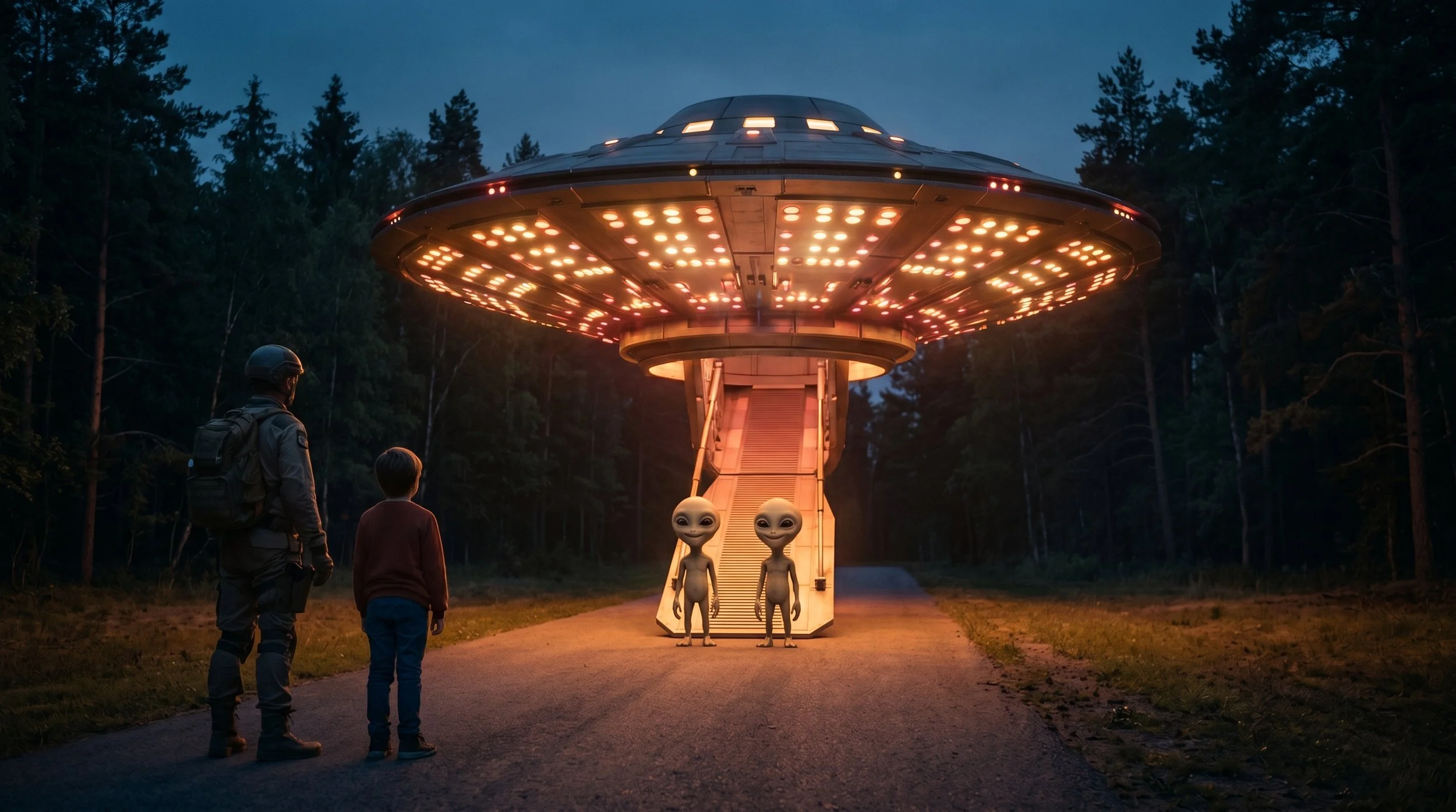
Not every result was usable. Most generations required multiple attempts due to continuity errors, misunderstood staging, excess prompt detail, or insufficient constraints.
Post-Production & Finishing
The generated shots were edited and finished in DaVinci Resolve. Final work included color balancing, contrast refinement, compositing, lens effects, audio editing, and continuity adjustments across shots.
The goal was not to radically alter the generated imagery, but to unify material created by different models into a consistent cinematic sequence.
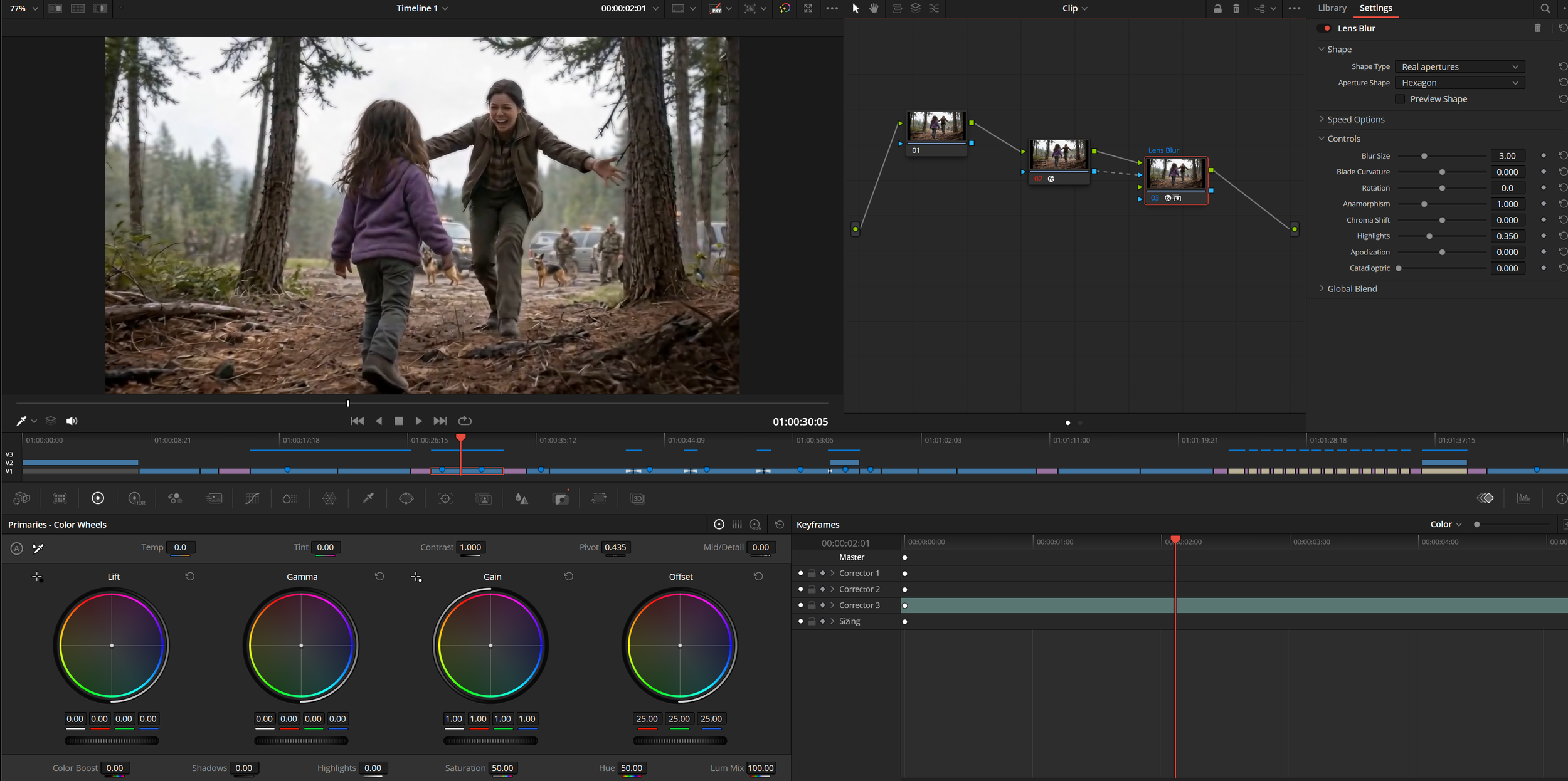
Basic Z-Map and DOF-Blur setup
Watch the Final Film
At its heart, Marstronaut is a story about choosing curiosity over fear—and believing that the connections we make can transcend even the greatest distances.